Read on to learn more about the background of this project and how your participation in the citizen science project fits into my broader research plans.
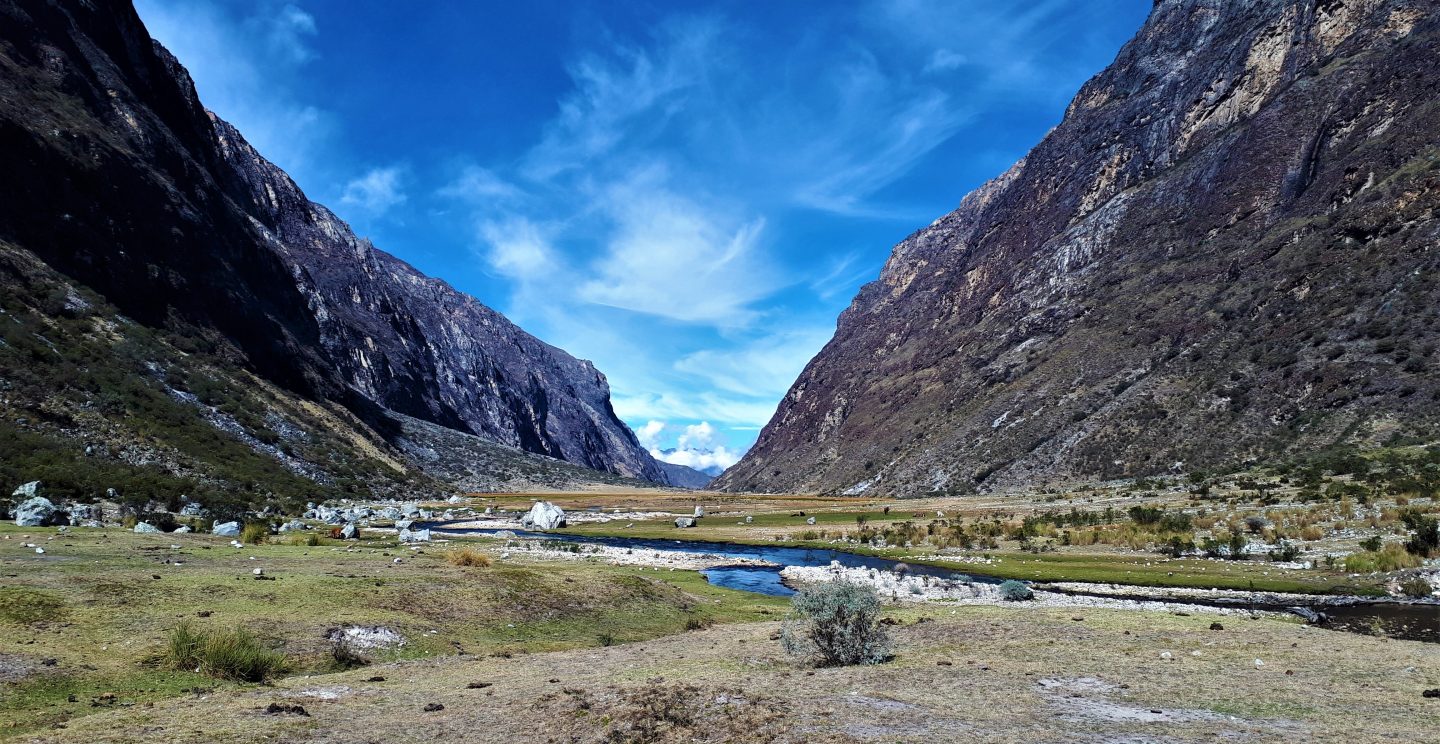
I’m a Master’s student with UBC’s Stream and Riparian Research Lab studying alpine stream ecology in our local mountains. I took an interest in alpine streams nearly three years ago when I did field work in the alpine and found that almost no one is researching alpine streams in this part of the world (especially coastal BC). It’s a shame because they’re relatively simple systems that are easier to manipulate than, say, a large river. But they’re hard to access and not a lot of people have a direct stake in these streams – so we don’t know much about them, which is one incentive to research them. However, that isn’t my main motivation for doing this research and ignores a pretty large elephant in every room on the planet these days: climate change.
Most people are aware that the climate is changing, but not a lot of people know that that change is happening more quickly at higher elevations. It’s not particularly clear why, but the leading theory is that as snow and glaciers are lost from mountains the newly exposed ground is darker than the snow and ice and can therefore absorb more heat than the snow and ice cover. That heat can then be emitted back to the atmosphere, increasing warming and further reducing the cover of snow and ice. It’s a positive feedback loop.
So: we know little about alpine streams and they changing more quickly than low elevation streams. A bit of a perfect storm. So my project is aiming to do two things at once – learn more about the composition of invertebrate communities in alpine streams and then test how they will be affected by climate change. Specifically, I want to know whether longer summer low flow conditions in alpine streams will have an impact on the diversity and composition of invertebrate communities. Understanding these impacts will help us predict what changes are to come at lower elevations and may have serious implications for fish production in the region.
This summer I am enlisting the help of volunteers to address my first question: what invertebrates live in our alpine streams? While you’re all out there collecting samples, I will be running an experiment in a few alpine streams in the area between Whistler and Lillooet to address my second question: what impact will longer low flows have on invertebrate communities?
I’m stoked to get this project going and I’m hoping I can get others stoked on helping improve our understanding of alpine streams in our local mountains. If you have suggestions for how to up the stoke level or get more people involved, let me know! I have many kits and am trying to get as many samples as possible from as broad of an area as possible. I’m trying to move mountains here, I just need a little help!
 Alpine Streams Citizen Science Project